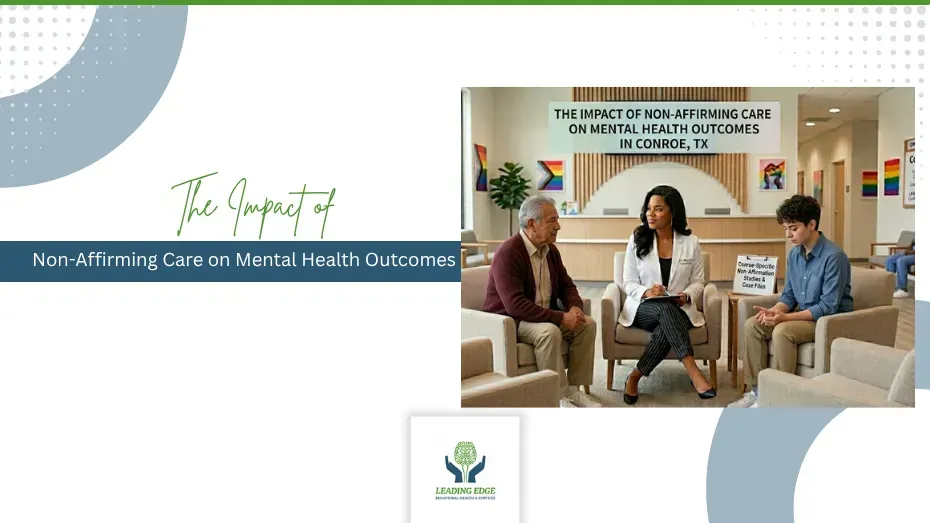
Mental health care is supposed to help you feel safe, understood, and supported. But when care is dismissive, judgmental, or lacks understanding, it can do the opposite.
Non-affirming care negatively impacts mental health by increasing anxiety, depression, and emotional distress. It breaks trust between patient and provider, delays recovery, and in some cases, makes symptoms worse instead of better.
If you’ve ever felt worse after therapy or questioned whether your provider truly understands you, this topic directly affects you.
What Is Non-Affirming Care?
Non-affirming care refers to mental health services that fail to respect, validate, or support a person’s identity, experiences, or emotional needs.
Common Signs of Non-Affirming Care:
- Ignoring or dismissing personal identity
- Using incorrect language or assumptions
- Lack of cultural competence
- Minimizing emotional experiences
- Applying a one-size-fits-all treatment approach
At its core, it creates a lack of emotional safety, which is essential for healing.
Why Non-Affirming Care Harms Mental Health
1. It Breaks the Therapeutic Alliance
A strong therapeutic alliance trust between patient and provider is one of the most important factors in successful treatment.
Without trust:
- Patients hold back important information
- Sessions feel unsafe
- Progress slows or stops completely
2. It Increases Anxiety and Stress
When someone feels judged or misunderstood, the brain responds with stress.
This can lead to:
- Heightened anxiety
- Emotional shutdown
- Panic responses
3. It Reinforces Internalized Stigma
Non-affirming interactions can make individuals feel like something is wrong with them.
This often leads to:
- Shame
- Low self-worth
- Self-doubt
4. It Delays or Prevents Effective Treatment
Many people stop seeking help after a negative experience.
As a result:
- Depression worsens
- Trauma remains untreated
- Substance use may increase as a coping mechanism
Key Mental Health Outcomes of Non-Affirming Care
OutcomeHow It DevelopsLong-Term EffectDepressionFeeling invalidatedPersistent sadnessAnxiety DisordersChronic stress responseOngoing worry, panicTraumaNegative therapy experiencesPTSD-like symptomsSubstance UseCoping with distressDependency riskSuicidal ThoughtsHopelessnessCrisis-level risk
Real-World Scenarios
Scenario 1: Therapy That Feels Dismissive
A patient shares emotional struggles, but the therapist minimizes them.
Result:
- Patient feels unheard
- Stops attending sessions
- Symptoms worsen
Scenario 2: Lack of Cultural Competence
A provider doesn’t understand identity-related concerns.
Result:
- Misdiagnosis
- Ineffective treatment plan
- Frustration and withdrawal
Scenario 3: Judgment-Based Interaction
A patient senses subtle judgment during sessions.
Result:
- Loss of trust
- Emotional shutdown
- Avoidance of future care
Who Is Most Affected?
While anyone can experience poor care, the impact is stronger for:
- LGBTQ individuals
- People with past trauma
- Adolescents and young adults
- Individuals from marginalized communities
These groups often already face stigma, making affirming care even more critical.
Affirming vs Non-Affirming Care
| Feature | Affirming Care | Non-Affirming Care |
|---|---|---|
| Communication | Respectful and validating | Dismissive or judgmental |
| Approach | Patient-centered | Provider-centered |
| Emotional Safety | High | Low |
| Outcomes | Improved mental health | Worsening symptoms |
| Trust | Strong therapeutic alliance | Broken trust |
Want to understand this distinction in more detail? Read our full guide: Affirming vs Non-Affirming Therapy: What’s the Difference?
How to Identify an Affirming Therapist
Positive Signs:
- Listens without judgment
- Uses respectful language
- Adapts treatment to your needs
- Encourages open communication
Red Flags:
- Interrupts or dismisses concerns
- Pushes a fixed approach
- Avoids important topics
- Makes you feel uncomfortable or judged
Step-by-Step: How to Find Affirming Care Near You
Step 1: Start with Local Search
Use terms like:
- “LGBTQ therapist Conroe TX”
- “mental health clinic near me”
- “psychiatrist near me affirming care”
Step 2: Check Provider Background
Look for:
- Licensed professionals
- Experience with diverse populations
- Patient-centered care approach
Step 3: Evaluate Your First Session
Ask yourself:
- Do I feel safe here?
- Am I being heard?
- Is the provider respectful?
Step 4: Don’t Hesitate to Switch
If something feels off, it’s okay to change providers.
Your mental health depends on the right fit.
Local Mental Health Support in Conroe, TX
If you’re in Conroe, Texas, finding affirming care is possible with the right provider.
Leading Edge Behavioural Health and Services offers inclusive, patient-centered mental health care designed to support individuals from diverse backgrounds.
Founded by Dr. Oluwatobi, a board-certified Psychiatric Mental Health Nurse Practitioner with over 11 years of experience, the practice focuses on:
- Telepsychiatry services for privacy and convenience
- Treatment for anxiety, depression, ADHD, and more
- A holistic approach including therapy, medication, and lifestyle support
- Creating a safe, respectful, and supportive environment
This kind of care helps rebuild trust and improve long-term mental health outcomes.
Treatment Options That Improve Outcomes
Evidence-Based Approaches:
- Cognitive Behavioral Therapy (CBT)
- Medication management
- Trauma-informed therapy
Holistic Support:
- Exercise and physical health
- Nutrition and sleep
- Counseling and emotional support
Cost of Mental Health Services in Texas
Understanding cost helps you plan better.
Typical Range:
- Therapy sessions: $100–$250
- Psychiatric visits: $150–$400
- Telehealth: Often more affordable
Many providers offer:
- Insurance coverage
- Flexible scheduling
- Payment options
Common Mistakes to Avoid
- Staying with a provider who makes you uncomfortable
- Ignoring early red flags
- Avoiding therapy after one bad experience
- Choosing convenience over quality care
Best Practices for Better Mental Health Outcomes
- Prioritize emotional safety
- Choose affirming, inclusive providers
- Stay consistent with treatment
- Communicate openly about your needs
- Build a strong support system
When Should You Change Your Therapist?
Consider switching if:
- You feel judged or dismissed
- Your concerns are ignored
- You don’t feel safe sharing openly
- There is no progress over time
Changing providers is not failure, it’s part of finding the right care.
FAQs
What is non-affirming care?
It is care that fails to respect or support your identity, experiences, or emotional needs.
Can therapy make mental health worse?
Yes, if the care is non-affirming, it can increase stress, anxiety, and emotional harm.
What is affirming care in mental health?
Affirming care respects your identity, builds trust, and provides personalized, supportive treatment.
How do I know if my therapist is right for me?
You should feel safe, heard, and respected during sessions.
Should I change my therapist if I feel uncomfortable?
Yes, your comfort and trust are essential for effective treatment.
Is telepsychiatry a good option?
Yes, it offers flexible, private, and accessible care, especially if local options are limited.
How can I find an affirming therapist near me?
Search locally, check credentials, and evaluate your experience during the first session.
What are the long-term effects of non-affirming care?
It can lead to worsened mental health, trauma, and avoidance of future treatment.
Conclusion
Non-affirming care doesn’t just slow down progress, it can actively harm mental health by breaking trust, increasing stress, and delaying recovery.
The right care, on the other hand, can rebuild confidence, create emotional safety, and lead to meaningful improvement.
If you’re in Conroe, TX or searching for mental health support near you, choosing an affirming, patient-centered provider can make all the difference in your journey toward healing and stability.